SQLpassion BLOG

Vector Capabilities with pgvector in PostgreSQL

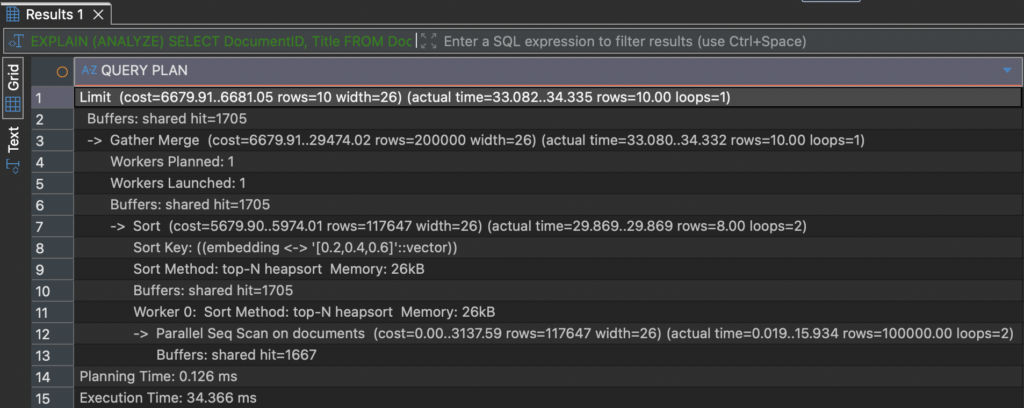
With SQL Server 2025, Microsoft introduces vector support as a native engine feature: a built-in VECTOR(dim) data type, dedicated vector functions, and an approximate vector index tightly integrated into the optimizer. From a SQL Server point of view, this feels natural—vectors become another first-class datatype, queried via explicit functions such as VECTOR_DISTANCE or VECTOR_SEARCH, and …

Vector Capabilities with pgvector in PostgreSQL + read more

Don’t Miss Out – SQL Server Query Tuning Fundamentals Starts Next Monday!

Next Monday, February 9, 2026, my one-day live online training SQL Server Query Tuning Fundamentals will take place! This hands-on session is designed to help DBAs, developers, and consultants deeply understand how SQL Server executes queries and how you can systematically improve performance with smarter indexing and execution-plan analysis. If you’re still on the fence …

Don’t Miss Out – SQL Server Query Tuning Fundamentals Starts Next Monday! + read more

Spatial Data with PostGIS in PostgreSQL

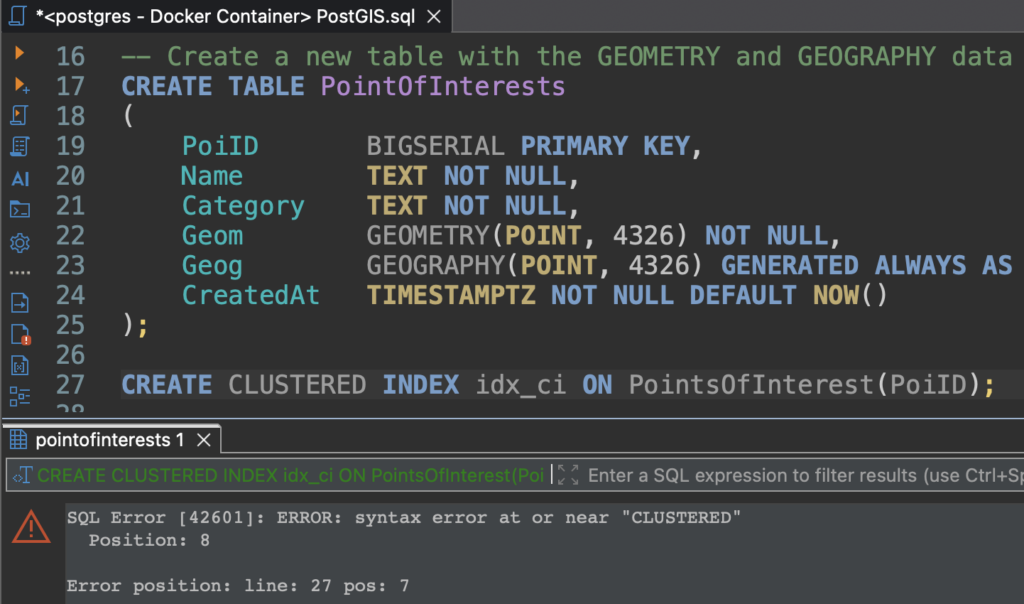
Developers coming from SQL Server often approach PostgreSQL with the assumption that spatial functionality will look and behave more or less the same. After all, both systems expose geometry and geography types, both support distance calculations, and both offer spatial indexes. That assumption is only partially correct. While PostgreSQL with PostGIS covers everything SQL Server …

Spatial Data with PostGIS in PostgreSQL + read more

BRIN Indexes in PostgreSQL

When SQL Server professionals start working seriously with PostgreSQL, most of the learning curve feels comfortable. Tables behave as expected, transactions are familiar, and B-tree indexes look reassuringly similar to what you have used for years in SQL Server. Then you encounter BRIN indexes. At first glance, they seem almost reckless: no row pointers, no …

BRIN Indexes in PostgreSQL + read more